Why hair belongs in your lime mortar
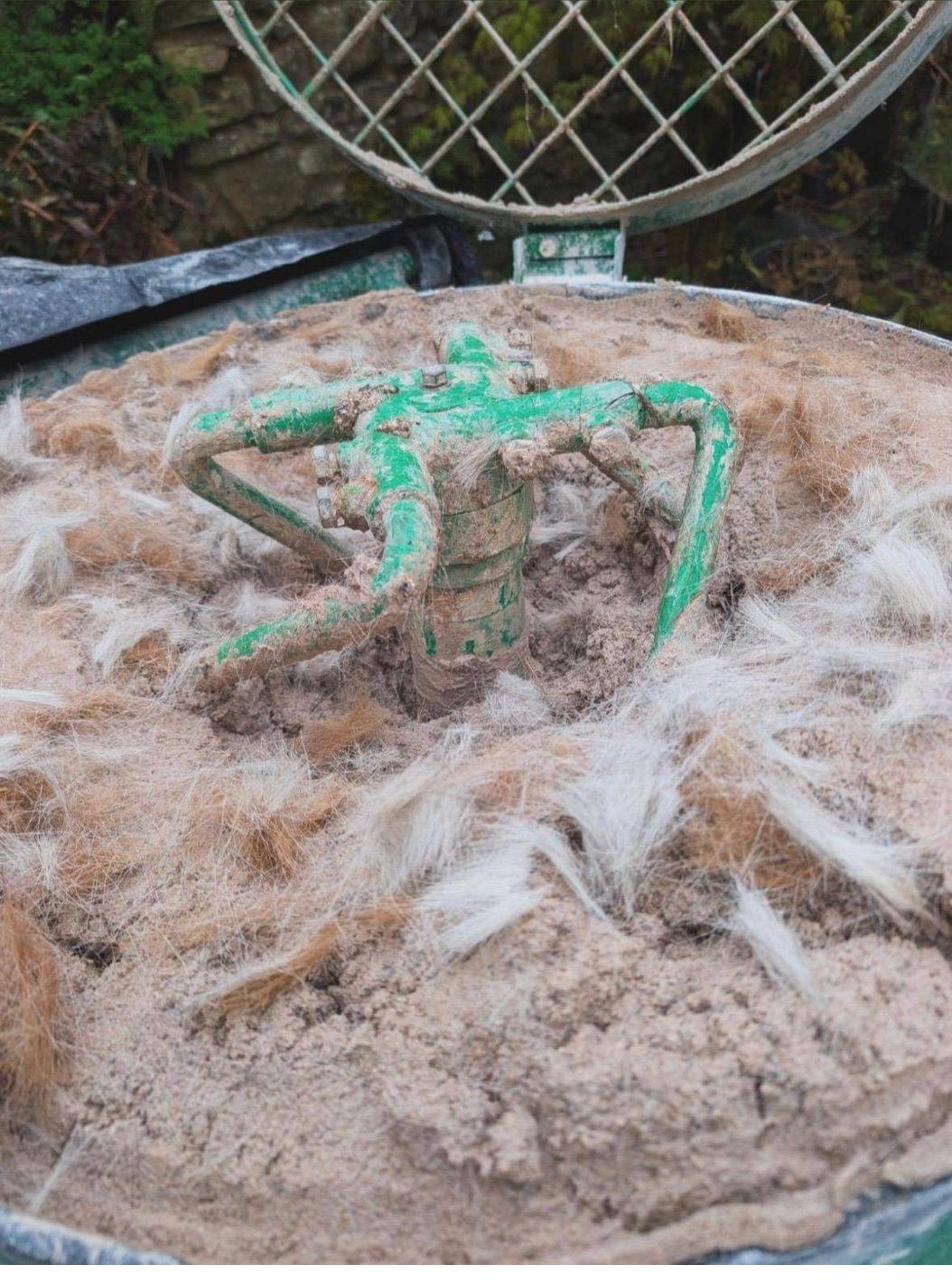
Goat and horse hair, layered into a lime mix, gives a render the flex it needs to live with a cob wall through a cold, wet winter. The reasoning is older than the textbook.
March 2026A specialist craft firm restoring historic and listed buildings across England and Wales. Lime mortar, hand-carved stone, oak scarf joints, and the patience to match what was there before.
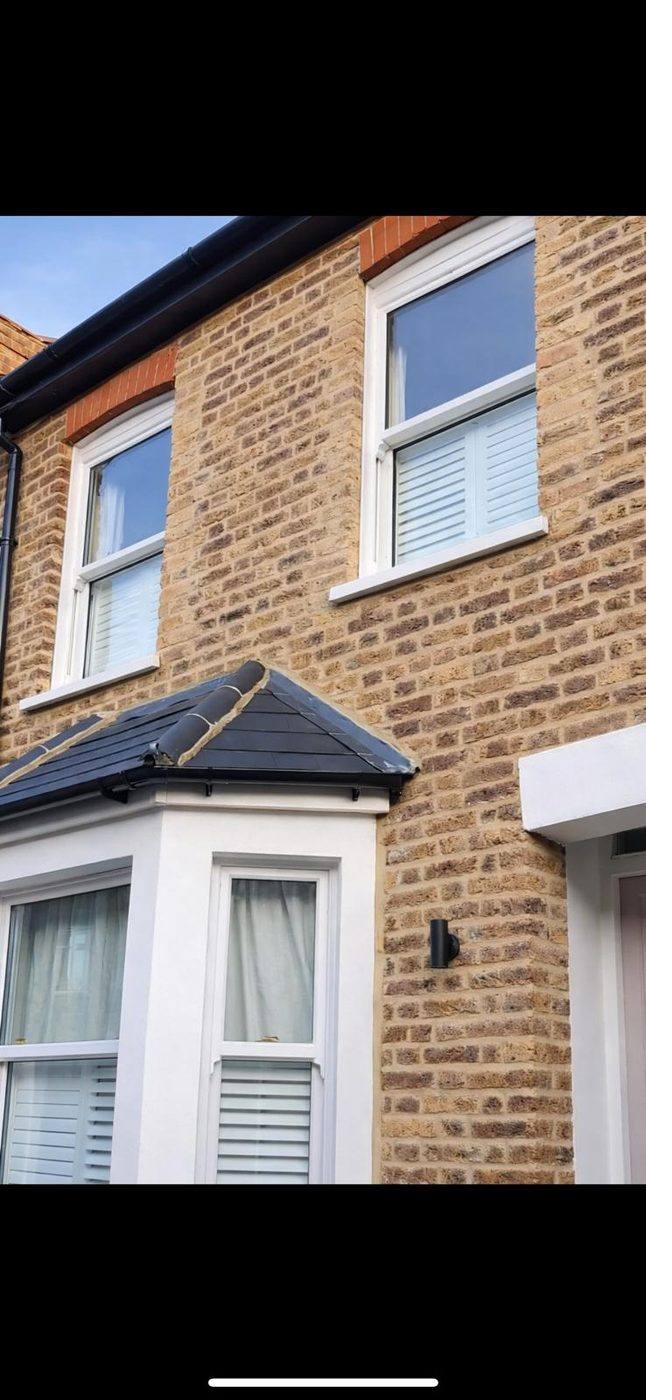
Every building tells the truth about how it was built. Put cement mortar on a Victorian yellow-stock, and within a decade the bricks themselves begin to spall. Smother a cob cottage in modern render, and moisture is trapped where it never was before. The wrong fix is often worse than the thing it was meant to fix.
We work in lime, in stone matched by hand, in oak jointed the way the framers did it. We take the time a building deserves — and we leave it quieter, more watertight, and ready to keep going.
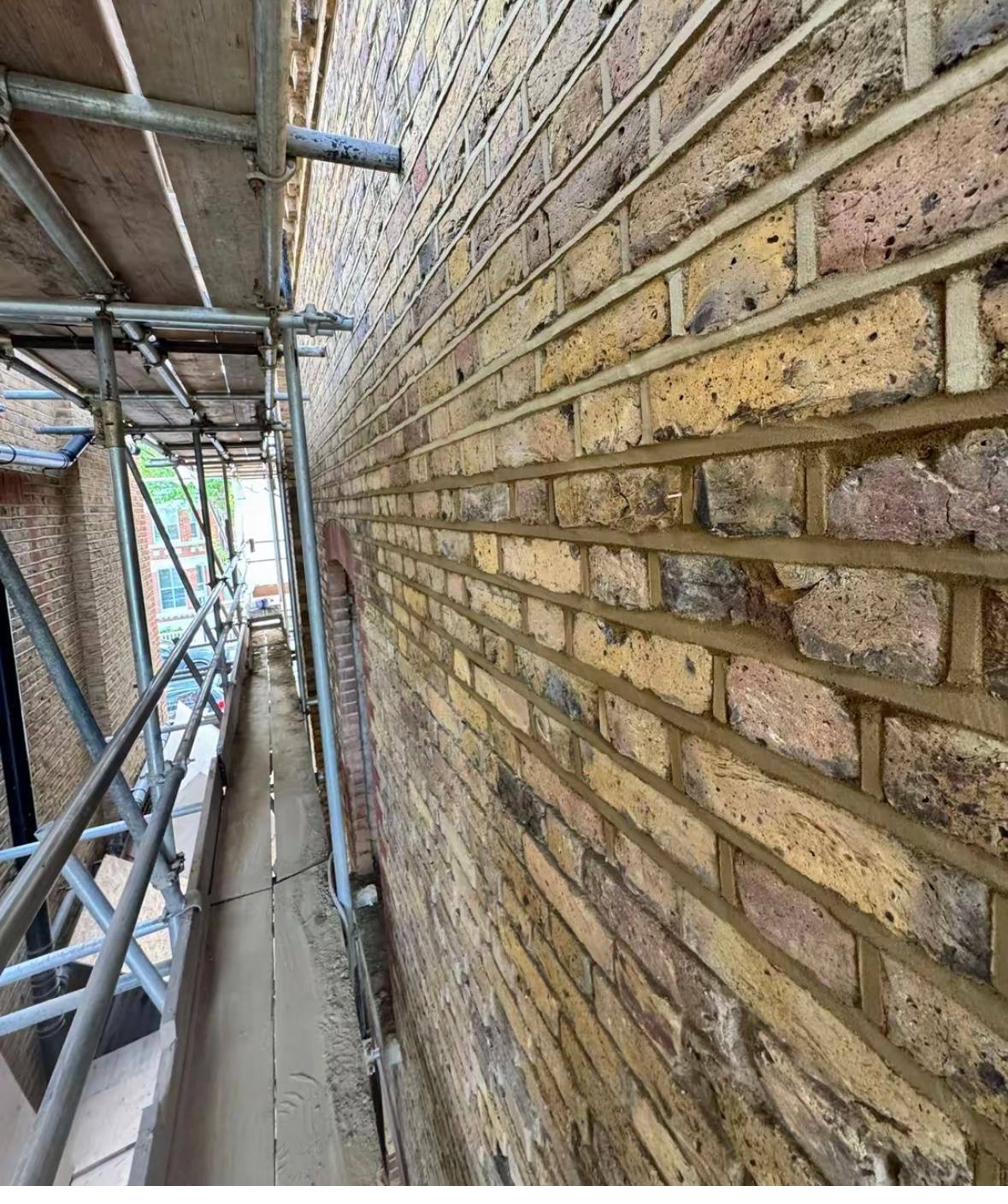
Hot-mixed, hair-reinforced, and matched to the original bed. Cement removal where it has done harm, lime put back where it belongs.
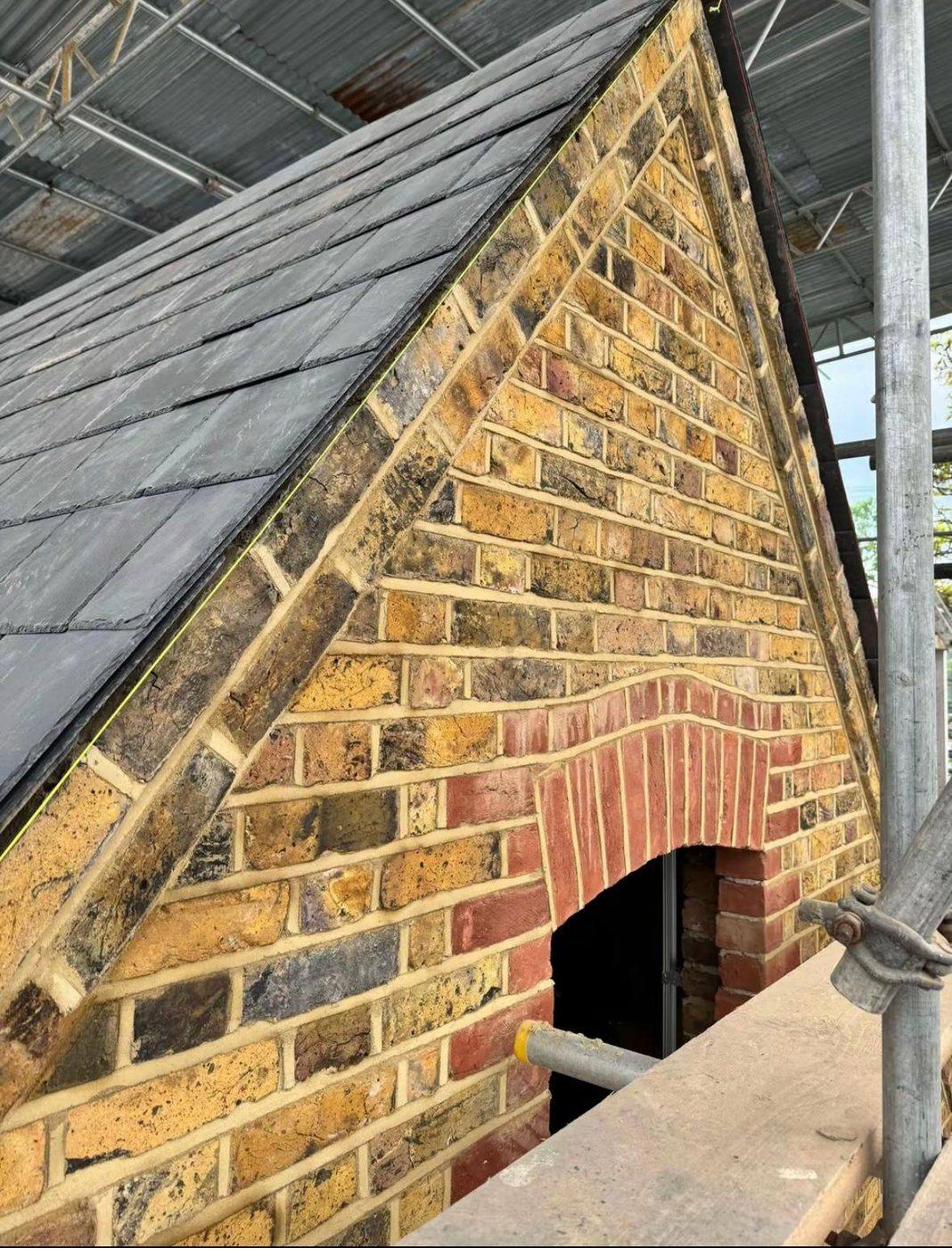
Hand-cut, sourced from matched stock, and laid in lime. Gable rebuilds, decorative arches, chimney reinstatement.
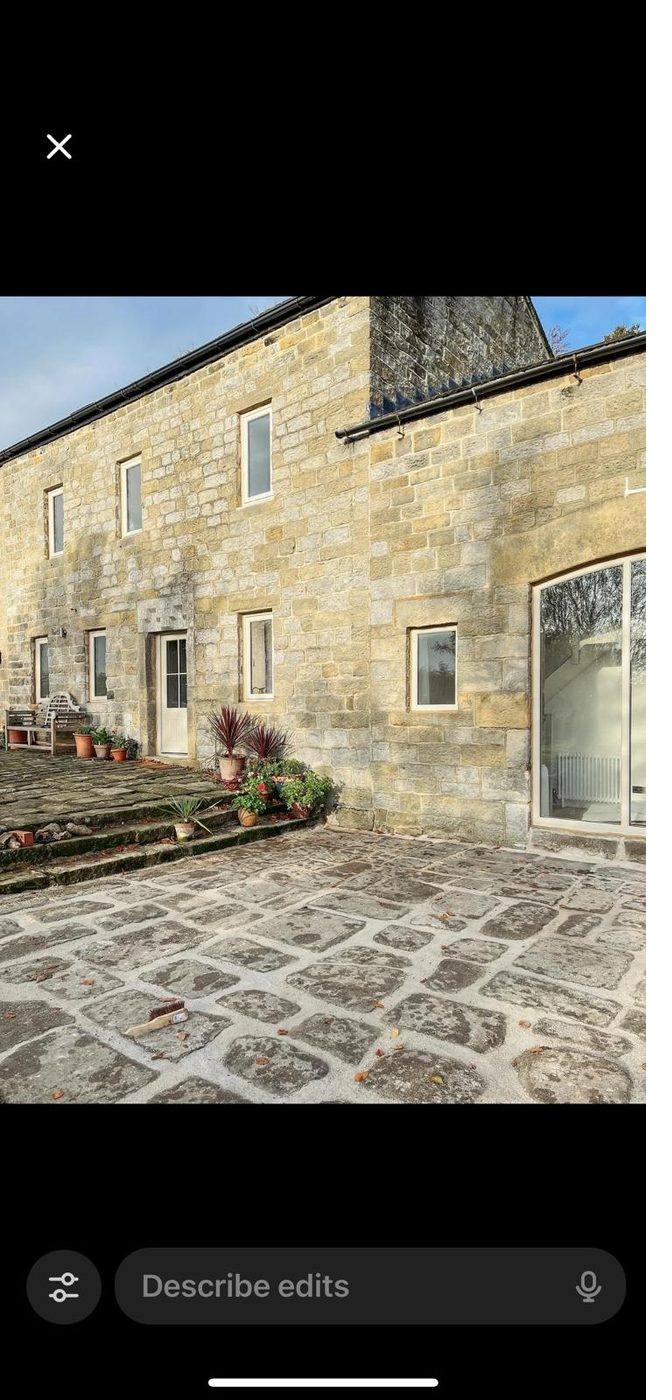
Ashlar, rubble, Portland, York, Bath, and Cotswold — carved to match by hand, bedded as the original mason intended.
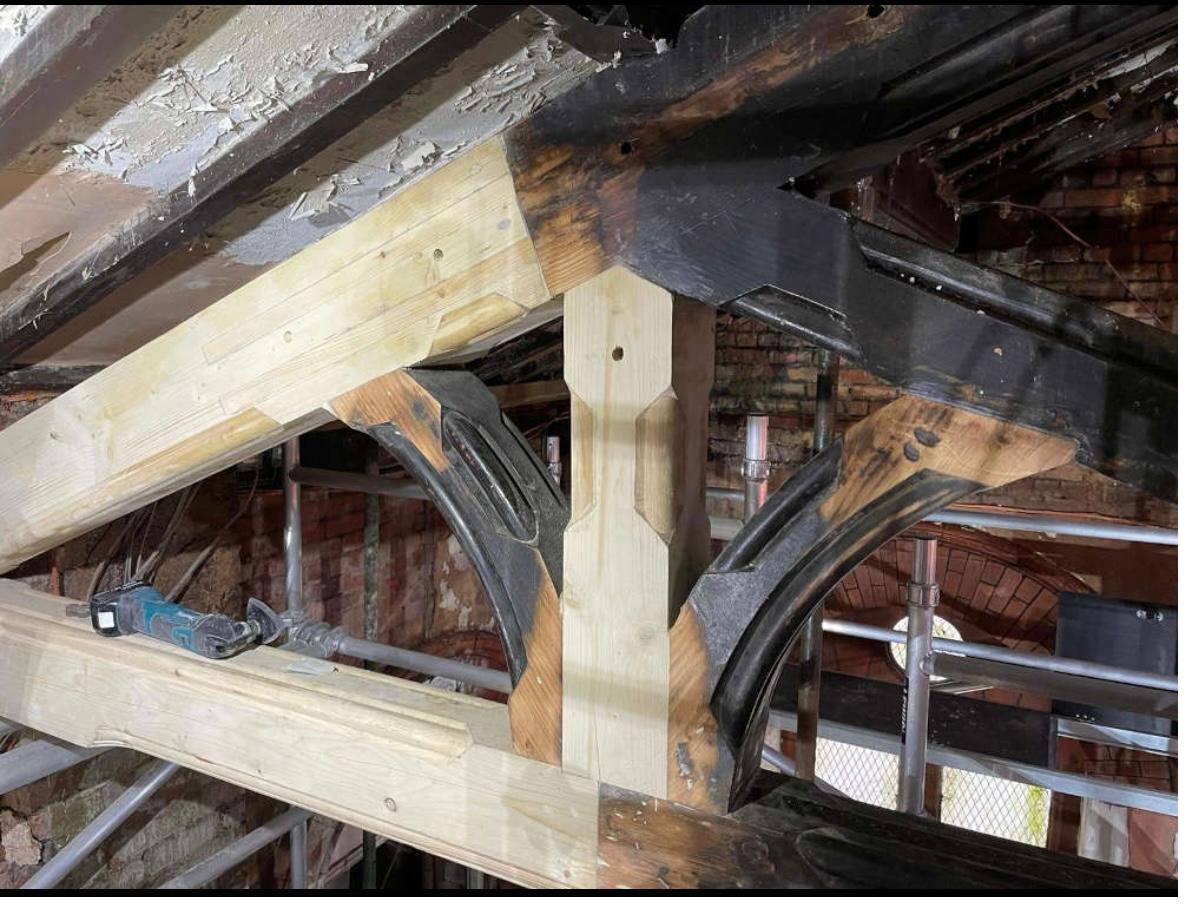
Scarf joints, pegged splices, truss replacement. Sound timber kept; only the decayed sections cut out and replaced in oak.
Specifications and reports your conservation officer can sign off. SPAB and Historic England principles, applied carefully.
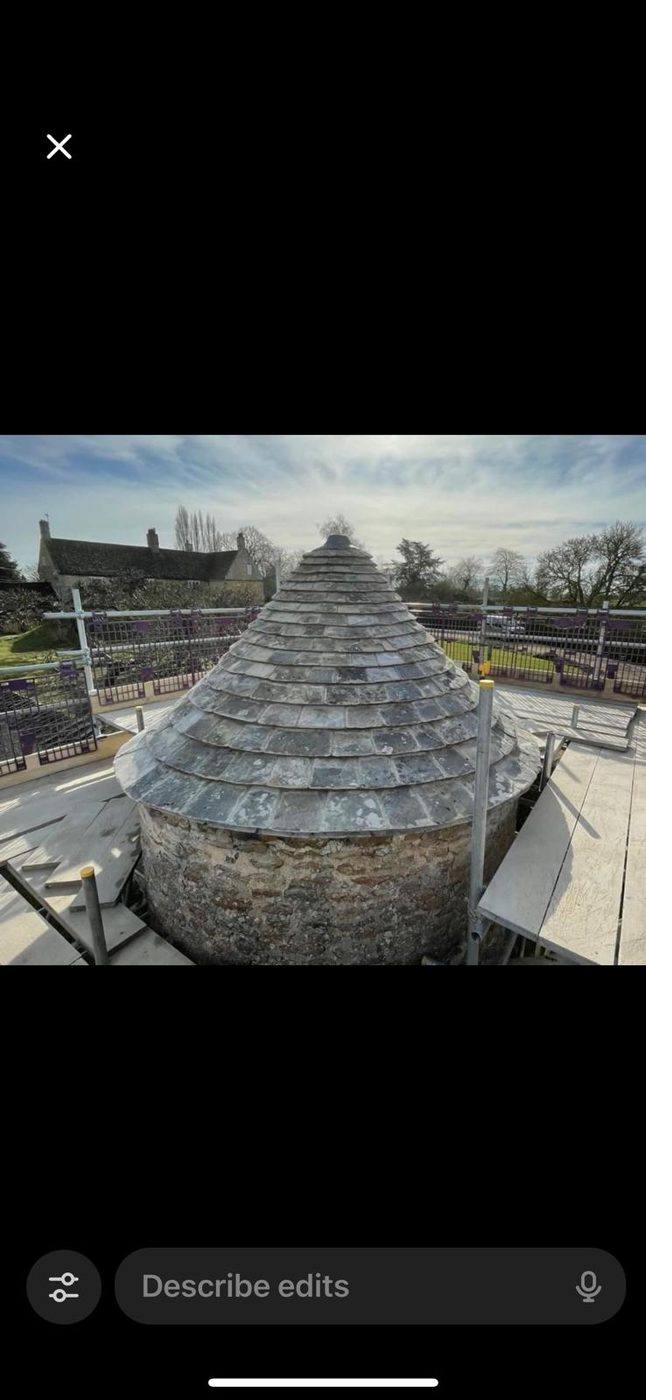
Welsh and Cornish slate, hand-dressed lead, swept valleys, and terracotta detail. Reclaimed where the original is worth saving.
Bulging walls, sagging floors, failing wall plates. Engineered with a conservation engineer, executed with quiet hands.
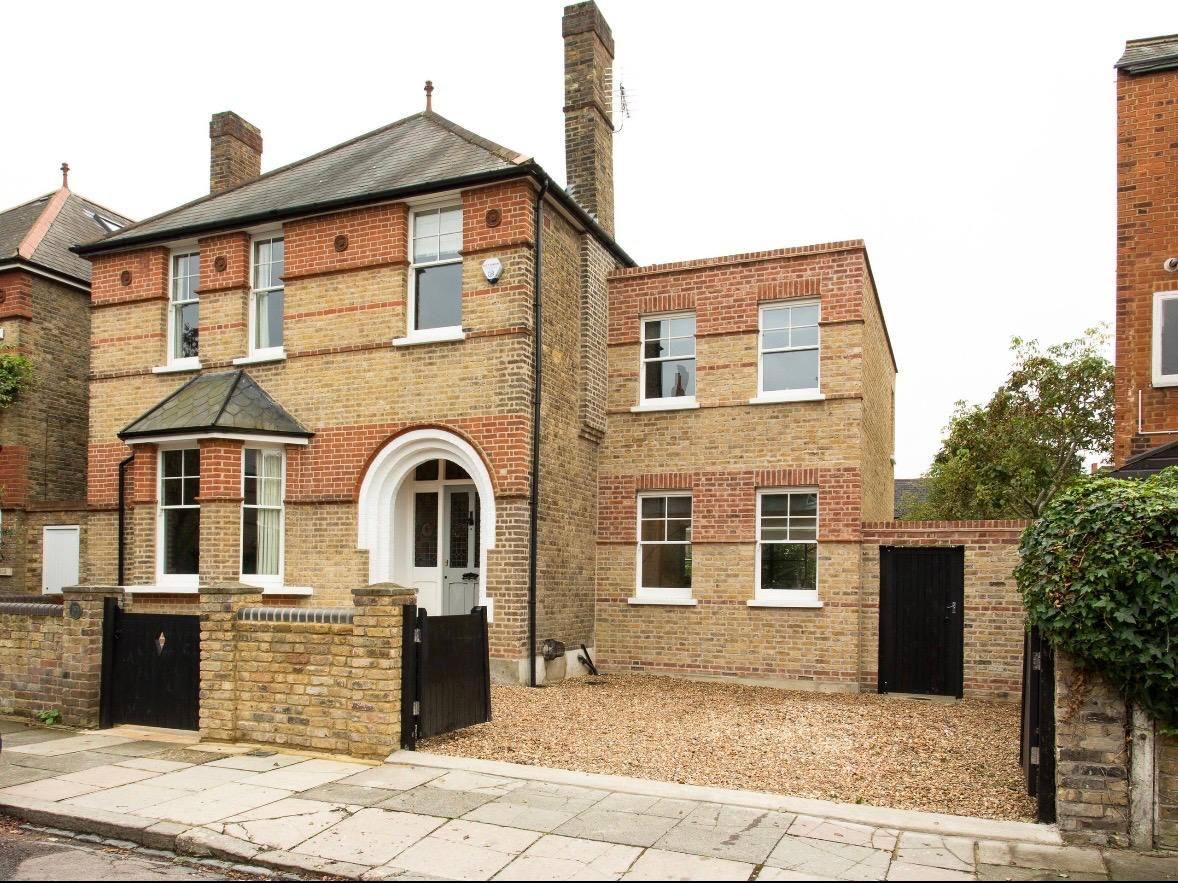
Additions that read as if they were always there — matched brick, matched stone, matched proportion, never matched everything.
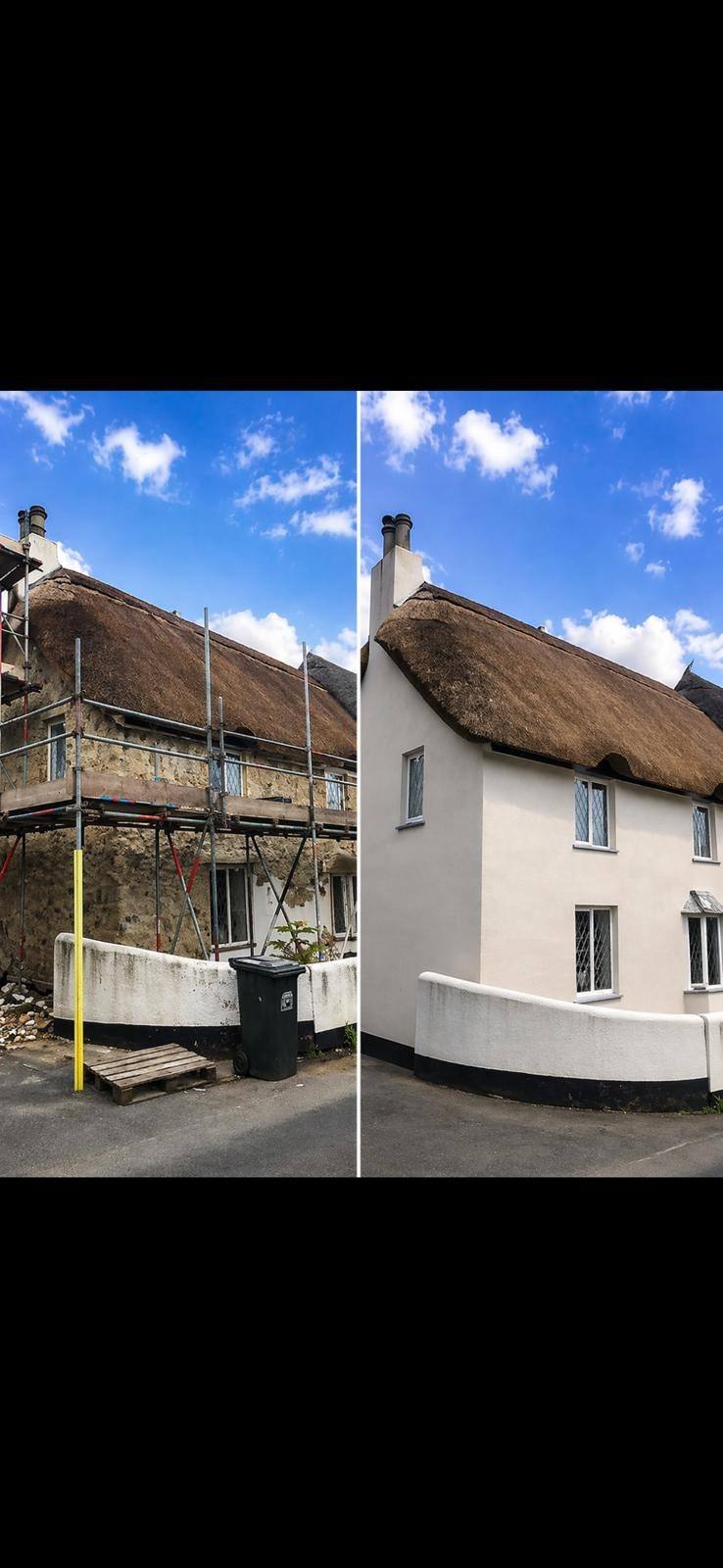
Cement render had been trapping moisture against the cob for forty years. We stripped it, allowed the wall to dry through a full season, then replaced it in three coats of lime over hair, finished with a breathable lime wash.

A first conversation — usually by phone, sometimes over drawings — to understand the building, the ambition, and whether we’re the right firm for it.
An on-site visit and a written report distinguishing what needs doing from what doesn’t. No pressure, no obligation.
A specification with the right mortar mixes, stone beds, and timber species. Shareable with your architect, engineer, or conservation officer.
Our team on site, traditional materials, and a site diary that records every mix, every joint, every decision as we go.
Sign-off, a maintenance schedule for the next decade, and a direct line for anything that comes up after we leave.
Goat and horse hair, layered into a lime mix, gives a render the flex it needs to live with a cob wall through a cold, wet winter. The reasoning is older than the textbook.
March 2026
A well-cut splay-and-table scarf, pegged in green oak, will outlast the engineered bracket beside it — and read truer to the eye. A short defence of the older joint.
February 2026
Forty years of cement pointing on a Victorian yellow-stock and the brick faces start coming away with the rain. A note on why this happens, and what to do instead.
January 2026Whether it’s a Grade II terrace, a country church, or a cob cottage that’s started to crack, we read every enquiry personally. Typical response time is one working day.